 - v2.jpg)
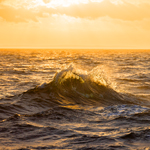 IMAGE COPYRIGHT National Oceanography Centre
 How a warming ocean is changing life on Earth
As our climate changes, so too does the ocean. Warming waters, shifting currents, rising acidity and more frequent marine heatwaves all have far-reaching consequences for marine life and coastal communities alike. Understanding these complex changes and their societal impacts is one of the defining scientific challenges of our time.
The AtlantiS (Atlantic Climate and Environmental Strategic Science) Programme brings together cutting-edge technologies to build a clearer picture of how the ocean is changing and why it matters. AtlantiS not only gathers essential data but also generates insights that help us respond more effectively to climate change. The evidence it provides supports government decision-making, informs policy and contributes to international efforts to protect our ocean and adapt to its changes.
Visit our exhibit to explore how warming oceans influence weather, sea levels, ecosystems and economies, and to discover how UK-led ocean science is helping to chart a course toward a more resilient future. This exhibit will feature an interactive ocean warming game!
The AtlantiS (Atlantic Climate and Environmental Strategic Science) Programme brings together cutting-edge technologies to build a clearer picture of how the ocean is changing and why it matters. AtlantiS not only gathers essential data but also generates insights that help us respond more effectively to climate change. The evidence it provides supports government decision-making, informs policy and contributes to international efforts to protect our ocean and adapt to its changes.
Visit our exhibit to explore how warming oceans influence weather, sea levels, ecosystems and economies, and to discover how UK-led ocean science is helping to chart a course toward a more resilient future. This exhibit will feature an interactive ocean warming game!
You may also like
Light Detectives: Saving the world with microchips
Join the scientists from the MISSION project, who will demonstrate, how light can be used to help detect disease, identify chemicals and the greenhouse gases in our oceans. You wil ...Read More
Highfield Campus
Earth Beneath Oceans: a seafloor geology discovery mission
Geologists study the rocks of our planet to understand how it works, but two thirds of Earth's surface is covered by oceans, so how can we study submarine rocks and why are they im ...Read More
Boldrewood Innovation Campus
