 - v2.jpg)
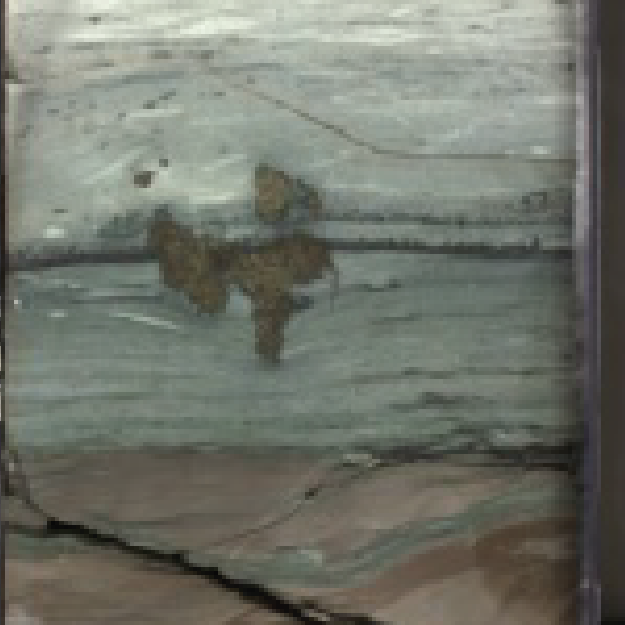 Credit: EPC, University of Leicester
 Earth Beneath Oceans: a seafloor geology discovery mission
Geologists study the rocks of our planet to understand how it works, but two thirds of Earth's surface is covered by oceans, so how can we study submarine rocks and why are they important?
Seafloor rocks record 120 million years of Earth's history, from earthquakes to extinction events, climate change to continental drift and more. They help us to predict future events and changes to our environment. Join students and researchers from the International Ocean Drilling Programme Team at the School of Ocean and Earth Science to learn how we explore Earth beneath the seafloor and what we can discover about our planet and its history.
Your mission is to sample the seafloor to unlock its secrets:
• Choose your drillship and lower your drill bit to hit your target rocks beneath the deep ocean - watch out for pesky ocean currents!;
• Take your own sediment cores and use them to map the seabed geology;
• Decode the cores to read the rock record and discover their story;
• Design your own core section - think about who you are and where you come from as you combine colours and textures that represent your story, to add to our collaborative artistic 3D core collage.
Seafloor rocks record 120 million years of Earth's history, from earthquakes to extinction events, climate change to continental drift and more. They help us to predict future events and changes to our environment. Join students and researchers from the International Ocean Drilling Programme Team at the School of Ocean and Earth Science to learn how we explore Earth beneath the seafloor and what we can discover about our planet and its history.
Your mission is to sample the seafloor to unlock its secrets:
• Choose your drillship and lower your drill bit to hit your target rocks beneath the deep ocean - watch out for pesky ocean currents!;
• Take your own sediment cores and use them to map the seabed geology;
• Decode the cores to read the rock record and discover their story;
• Design your own core section - think about who you are and where you come from as you combine colours and textures that represent your story, to add to our collaborative artistic 3D core collage.
You may also like
Marvellous Microscopes Roadshow
Explore the world of marvellous microscopes. Come join staff of the Biomedical Imaging Unit to get a hands on microscopy experience, using advanced and hobby grade microscopes to e ...Read More
Highfield Campus
Asthma Sleuths: Breathing under pressure
Asthma is a common condition that affects the lungs, making it hard to breathe - but what's really going on inside the body? Join researchers from the Faculty of Medicine at th ...Read More
Highfield Campus
